Milan is one of Italy’s most fascinating cities, combining centuries of history with fashion, art, architecture, gastronomy, and a distinctly modern atmosphere. Whether travelers arrive to admire Renaissance masterpieces, explore elegant neighborhoods, or enjoy the city after sunset, Milan offers an impressive variety of experiences.
Visitors researching services such as milan escort may also discover that the city provides an extensive range of entertainment and hospitality options, but its cultural attractions remain the main reason to visit this remarkable Italian destination.
1. Milan Cathedral
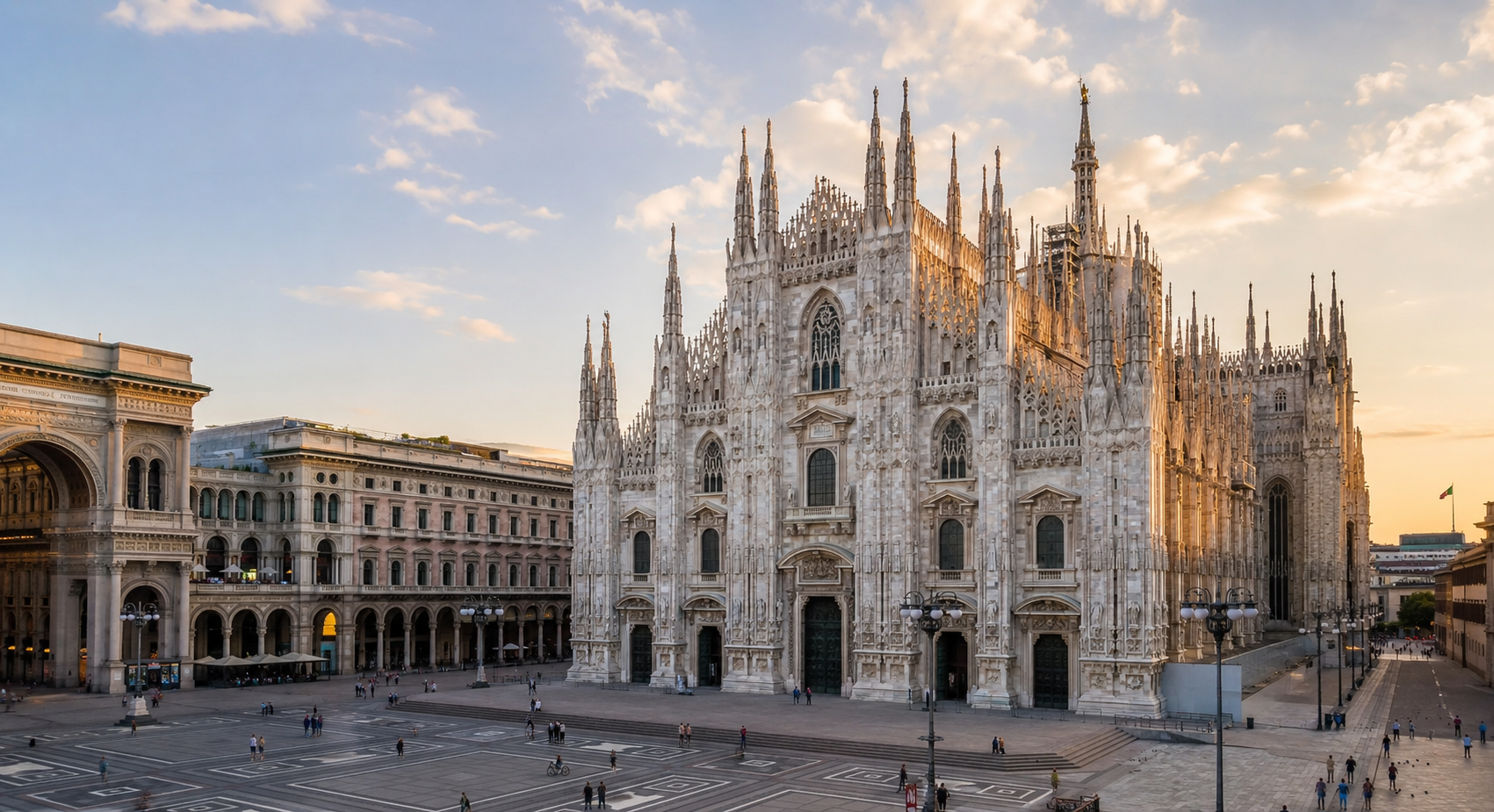
The Duomo di Milano is undoubtedly Milan’s most famous landmark and one of the most spectacular Gothic cathedrals in Europe. Construction began in the fourteenth century and continued for centuries, resulting in an extraordinary façade decorated with thousands of sculptures and numerous pinnacles. Visitors should not miss the rooftop terraces, where they can walk among the elaborate architectural details while enjoying panoramic views across the city. On clear days, the Alps may even be visible in the distance.
2. Galleria Vittorio Emanuele II
Located directly beside the cathedral, the Galleria Vittorio Emanuele II is one of the world’s oldest shopping arcades. Its magnificent glass roof, elegant mosaics, and monumental architecture make it an attraction in its own right. Luxury boutiques, historic cafés, and restaurants occupy the interior. The gallery is particularly beautiful in the evening when its illuminated architecture creates an elegant atmosphere.
3. Sforza Castle
Milan’s Castello Sforzesco offers a fascinating journey through the city’s political and artistic history. Originally built as a fortress, it was transformed into a magnificent Renaissance residence by the powerful Sforza family. Today, the complex houses several museums containing works of art and historical artifacts. Travelers who have considered combining a trip to Milan with destinations such as Venice may encounter searches for escort venice, but Milan itself deserves several days of exploration before moving on to other Italian cities.
4. Leonardo da Vinci’s Last Supper
One of Milan’s greatest artistic treasures is Leonardo da Vinci’s The Last Supper, preserved in the refectory of the convent of Santa Maria delle Grazie. Painted during the late fifteenth century, the masterpiece depicts the dramatic moment when Christ announces that one of his disciples will betray him. Because conservation requirements strictly limit the number of visitors, reservations should be made well in advance. For art lovers, seeing the painting in person is one of Milan’s essential experiences.
5. Teatro alla Scala
For lovers of opera and classical music, Teatro alla Scala is an essential stop. Opened in 1778, the theater has hosted some of the greatest singers, composers, conductors, and performers in musical history. Its luxurious interior reflects Milan’s longstanding association with European high culture. Visitors can also explore the theater’s museum, which contains costumes, musical instruments, portraits, and other objects connected with the history of opera.
6. Brera District
The Brera neighborhood provides a completely different experience from the monumental center. Narrow streets, historic buildings, galleries, cafés, and boutiques create an artistic and sophisticated atmosphere. The district is also home to the Pinacoteca di Brera, one of Italy’s most important art galleries, with masterpieces by artists such as Raphael, Caravaggio, and Piero della Francesca. Brera is especially enjoyable on foot.
7. Navigli Canals
The Navigli district is among Milan’s liveliest areas, particularly during the evening. Its canals were once part of an extensive waterway system used to transport goods throughout the city. Today, their banks are lined with restaurants, bars, cafés, and independent shops. Walking beside the water at sunset is an excellent way to experience a more relaxed and contemporary side of Milan.
8. Monumental Cemetery
Although a cemetery might seem an unusual tourist attraction, Milan’s Cimitero Monumentale is one of the city’s most extraordinary architectural spaces. Elaborate tombs, sculptures, mausoleums, and funerary monuments transform the cemetery into an open-air art gallery. The site offers a quieter alternative to Milan’s busiest attractions and demonstrates the importance of sculpture and architecture in the city’s cultural heritage.
9. Bosco Verticale
Milan is not exclusively a city of historic monuments. The Bosco Verticale, or Vertical Forest, demonstrates its contemporary architectural ambition. These residential towers are covered with hundreds of trees and thousands of plants, creating a striking contrast with the surrounding urban landscape. The buildings have become symbols of Milan’s efforts to integrate vegetation and sustainable ideas into modern architecture.
10. Quadrilatero della Moda
Finally, no visit to Milan would be complete without exploring its famous fashion district. Known as the Quadrilatero della Moda, this area encompasses elegant streets such as Via Montenapoleone, Via della Spiga, and Via Sant’Andrea. International luxury brands, historic boutiques, sophisticated cafés, and beautifully designed storefronts make the neighborhood an essential destination for anyone interested in fashion and contemporary Italian style.
Discovering Milan
From the monumental Duomo to the atmospheric Navigli canals, Milan successfully combines its historic identity with a modern and cosmopolitan spirit. The city rewards travelers who take time to explore beyond its most famous landmarks, discovering museums, neighborhoods, architecture, gastronomy, and everyday Italian life along the way. Whether Milan is the main destination or part of a larger Italian itinerary, these ten attractions provide an excellent introduction to one of the country’s most dynamic cities.